Insert HTML here
Insert HTML here

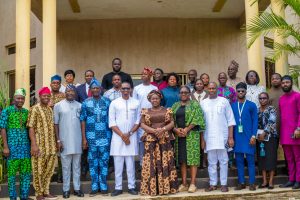
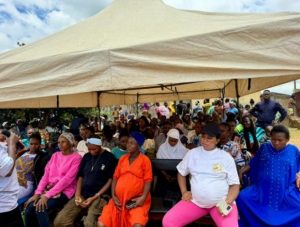
In Delta’s intricate network of creeks, access to healthcare has always been a monumental challenge. For communities in these flood-prone areas, isolation means limited medical resources. ECEWS working with the Delta State Government, with funding from US-CDC, is changing this reality. We’ve breathed new life into two previously disused maritime ambulance boats, originally acquired through PEPFAR. As a cornerstone of our Community Care and Treatment (CCT) initiatives under the “Integrated Delivery of Health Services,” these vessels underwent a complete overhaul: refurbished interiors, repaired engines, and fresh paint. They now serve as mobile health units. Following the unveiling of these rebranded boats and their inaugural journey to Obotebe, a remote community in Burutu LGA. The refurbished boats have significantly supported the Department of Public Health-led Integrated Community Health Outreach in Delta State “as well as other emergency public health response such as during the last cholera outbreak, measles campaign and the likes “ “This is a monumental step forward for our people,” reflected Akpomudje Christiana, Local Government Agency for the Control of AIDS (LACA), Manager, Warri Southwest. “These revitalized boats has been able to move drugs and other medical consumables to these hard-to-reach area in Warri South LGA, delivering health and well-being directly to the community.” “The ripple effect is profound. Communities like OgbeIjoh in Warri Southwest, and other wards, villages, and fishing settlements are” now direct beneficiaries.
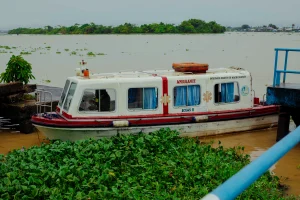 These mobile health conveyors reach hundreds of men, women, and children who previously faced immense barriers to accessing healthcare. “Before these boats were restored, getting medical help was a major struggle for us “in the remote wards of Warri Southwest LGA,” shared Dr Emiko Ofuyaekpowe, Executive Secretary/ Medical Officer, Delta State Primary HealthCare Development Agency, Warri South-West Local Government Authority, Ogbu-Ijoh “Now, with these fully equipped ambulance boats, our integrated primary healthcare and public health activities are in the local government. Most of the activities and the emergency health response that we’ve carried out wouldn’t have been possible.”
These mobile clinics has helped moved medical consumables and medications to these hard-to-reach areas and helped to improve the lives of community members, allowing more people access to healthcare services. These boats represent our dedication to equitable healthcare for all. In riverine areas, boats are a life-saving link. ECEWS is actively working with communities and stakeholders to foster ownership and commitment, ensuring these invaluable assets are properly utilized and maintained for years to come. This collaboration stands as a powerful testament to bringing vital healthcare closer to those who need it most.