Insert HTML here

Insert HTML here
Why Empowered Caregivers are the True Lifeline for Children Living with HIV
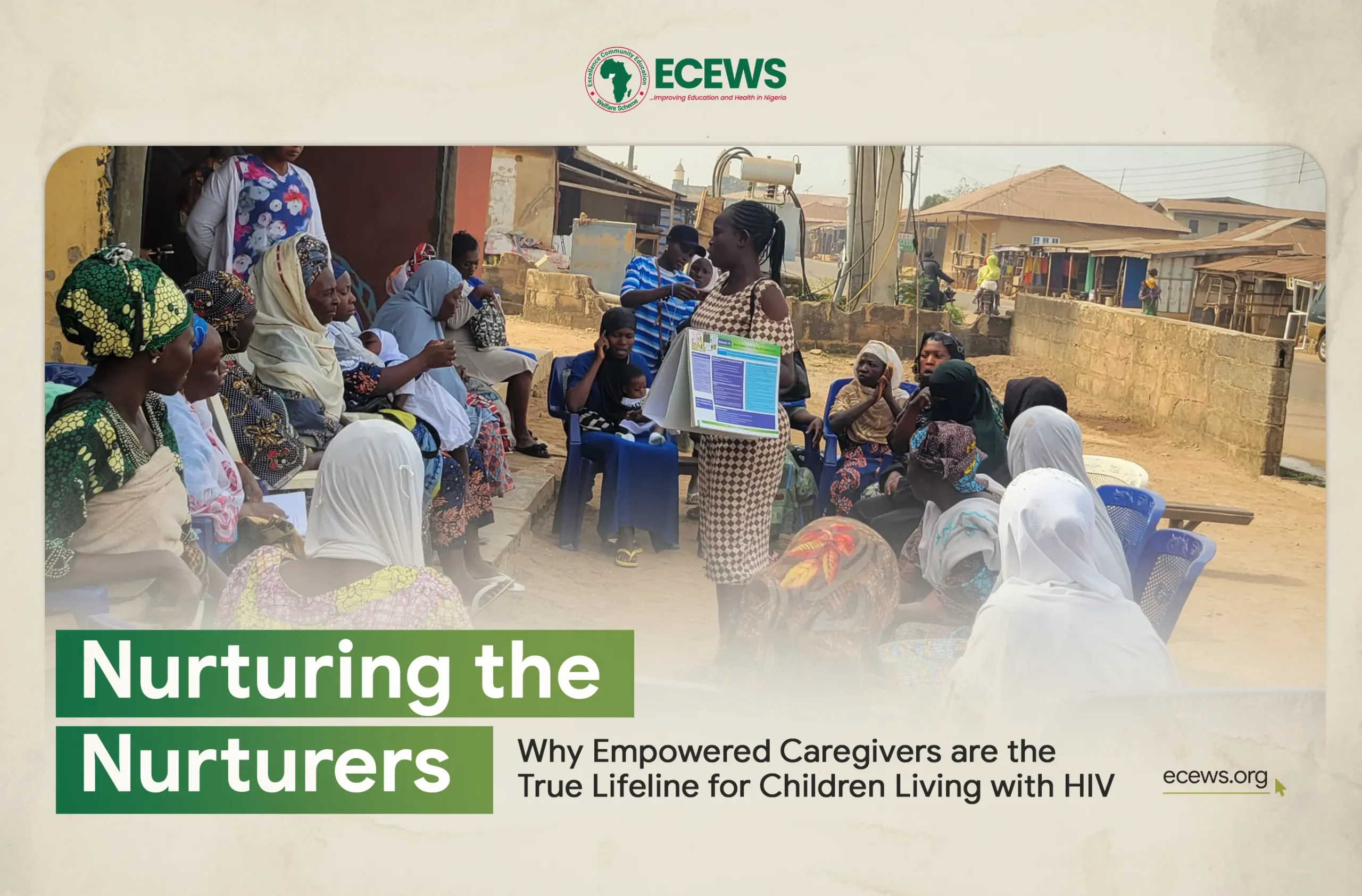
In the landscape of global health, the success of pediatric HIV interventions is rarely determined by clinical protocols alone; it is deeply rooted in the resilience of the support systems surrounding the child. Within the ECEWS SPEED Project funded by PEPFAR in Osun State, Nigeria caregiver empowerment has emerged as the critical catalyst for achieving sustainable health outcomes. While clinical environments provide the necessary medical framework, the SPEED Project’s monthly caregiver forums have served as the essential social engine driving long-term adherence and holistic well-being. These forums were designed to transform the caregiving experience from one of isolated survival to one of collective empowerment.
Caregivers often operate under the immense pressure of economic hardship, social stigma, and the medical complexities of HIV management. The SPEED Project addressed these challenges by establishing sanctuaries where caregivers could access clinical literacy, practical training on Antiretroviral Therapy (ART), and peer-led emotional support. These gatherings functioned as a vital safety net, offering a space for caregivers to be seen and heard, fulfilling the fundamental human needs of belonging and security. This psychological reinforcement is what allows a caregiver to maintain the focus required to manage a child’s health over the long term.
The impact of this approach is clearly reflected in the data. Among 200 caregivers participating in the Osun State forums, an impressive 98% maintained consistent ART clinic appointments for their wards. Furthermore, the project recorded a significant reduction in treatment interruptions during school holidays and a measurable improvement in nutritional care. These outcomes are not coincidental; they are the direct result of caregivers who, feeling empowered and informed, moved from passive participants to active health advocates. By reducing the weight of isolation, the forums strengthened the caregivers’ confidence, ensuring that the health of the child remained a consistent priority despite life’s fluctuations.
However, the recent fluctuations in project timelines have highlighted a critical truth: social support is not an auxiliary service, but a clinical necessity. The well-being of a child living with HIV is inextricably linked to the mental and physical stability of their caregiver. When we invest in the empowerment of the caregiver, we are securing the health trajectory of the ward. We cannot afford to overlook the human element of the medical supply chain. To ensure these families do not just survive but truly thrive, we must continue to embed robust social support systems into the heart of our care models, recognizing that the strength of the network is what ultimately sustains the life of the individual.