Insert HTML here
Insert HTML here
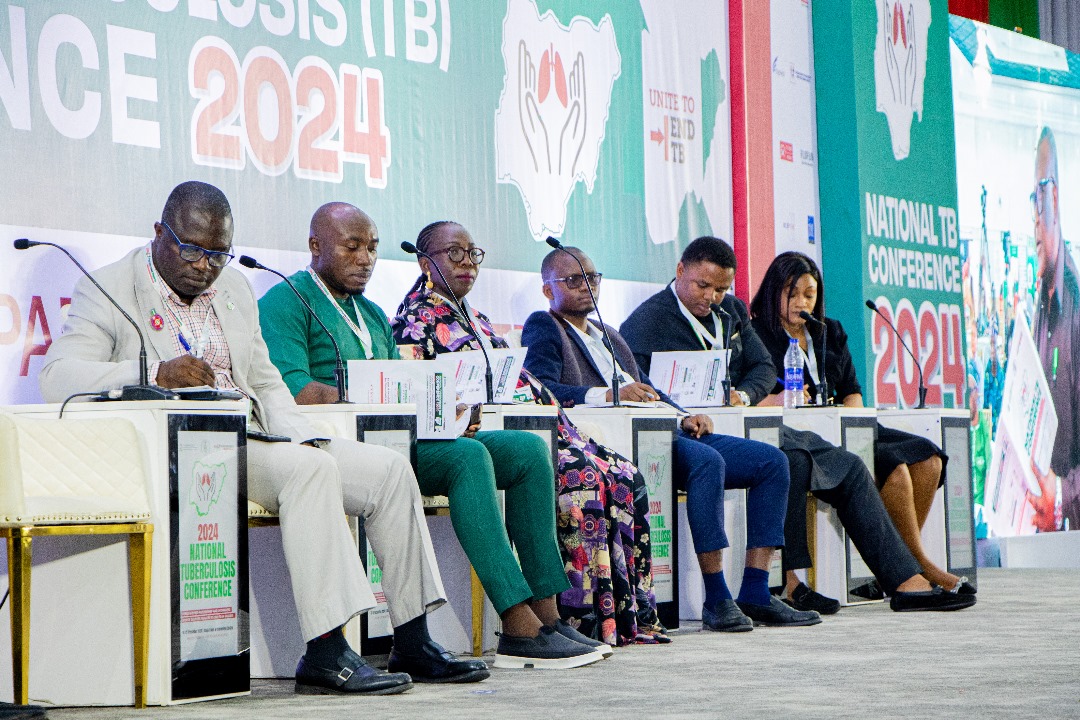
ECEWS, as the lead implementer of the US Government-funded Sustainable Programs for HIV Epidemic Control and Service Delivery (SPEED) project, alongside Howard University as one of the sub-recipients, has become a key driver of public health leadership in Nigeria’s HIV response. At the heart of this success is ECEWS’s commitment to turning program data into valuable scientific contributions.
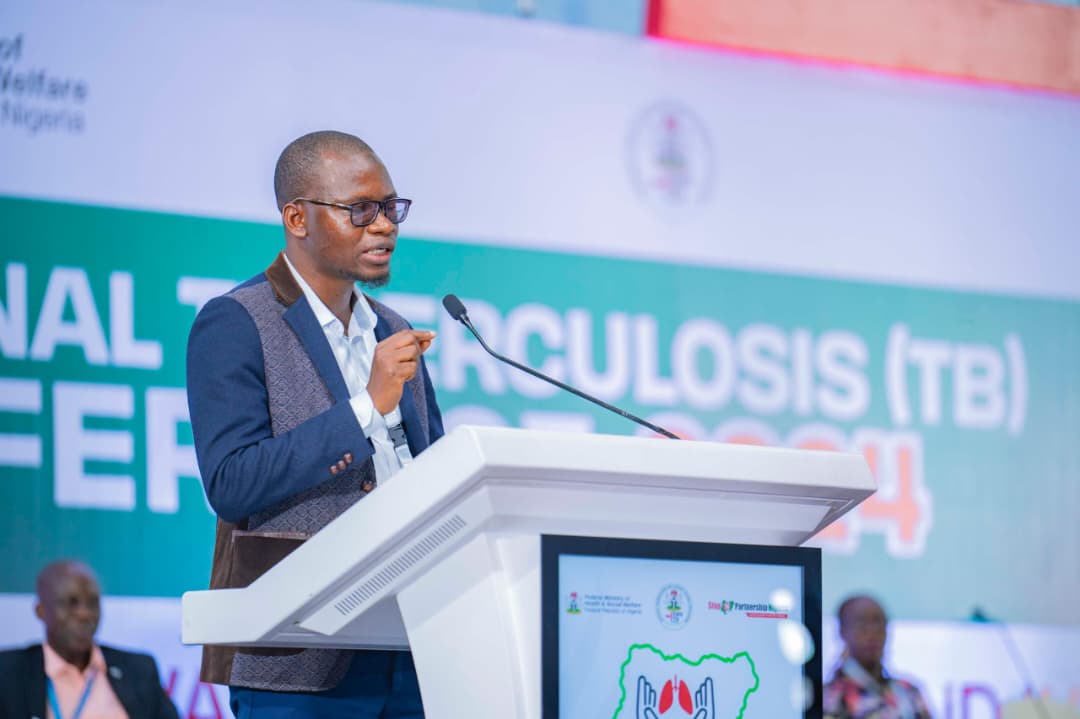
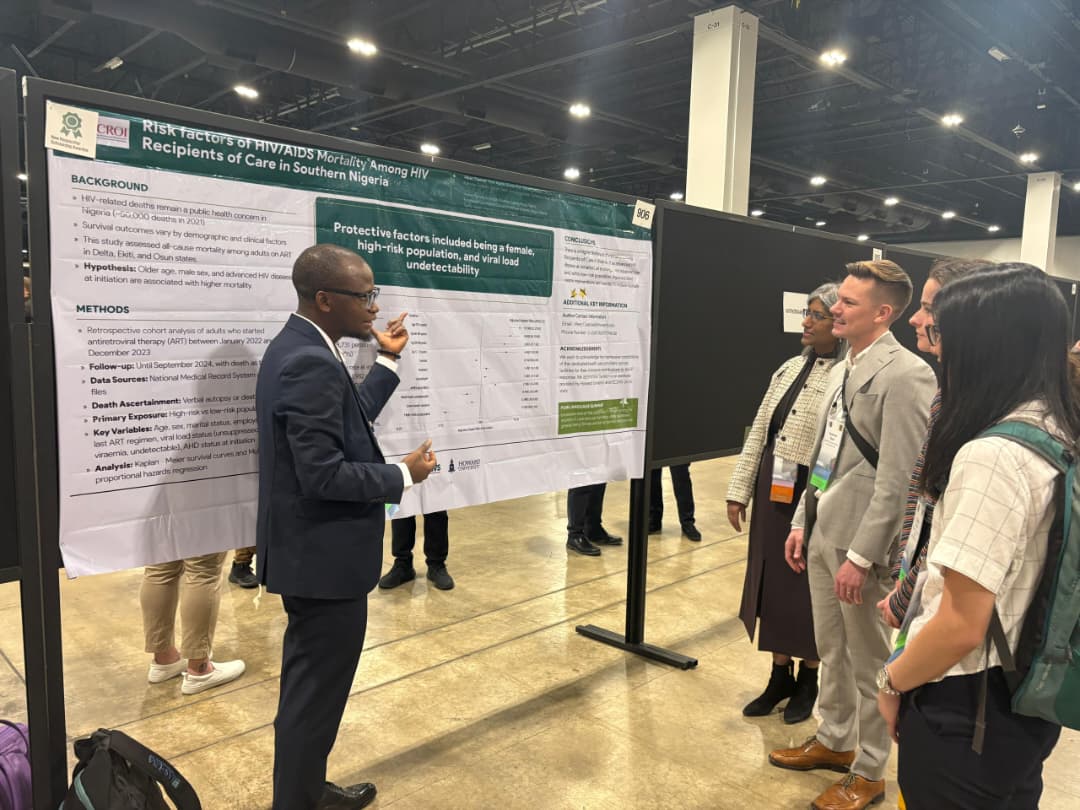
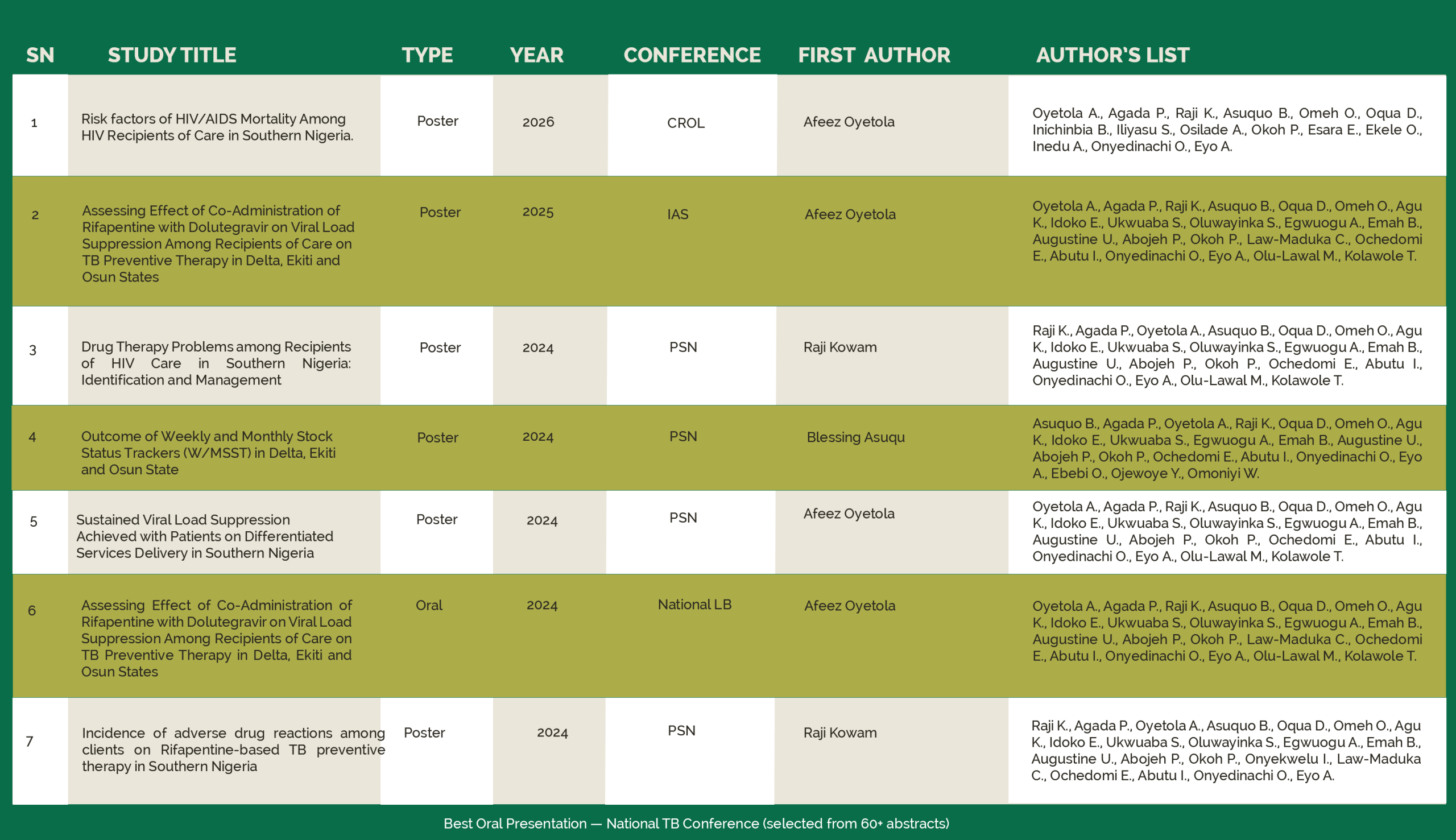
A major highlight was the oral abstract on the co-administration of Rifapentine with Dolutegravir on viral load suppression, which won Best Oral Presentation at the National TB Conference, out of more than 60 other abstracts entries. The team also received two prestigious international travel scholarships to present at CROI in Colorado, USA and IAS in Kigali, Rwanda, both of which are among the most selective HIV and infectious disease conferences in the world.
These achievements were made possible by ECEWS’s strong support for staff to pursue research and develop their scientific writing skills. This progress has been further strengthened by collaboration with Howard University, grounded in a shared commitment to practical science and the application of technical expertise to real-world data. The SPEED project’s data is now recognized not only as a monitoring tool but as a source of knowledge that informs global HIV and TB responses.

ECEWS’s leadership and commitment to implementation science have helped raise the SPEED project’s profile, build staff and Government of Nigeria’s employee capacity, and ensure that research generated in Nigeria can impact health outcomes worldwide.
Table 1: Abstracts Presented — ECEWS SPEED Project / Howard University Collaboration
@ECEWS was honored to participate in the launch of the @surefutureedu Foundation, an initiative dedicated to expanding access to quality education for vulnerable children and communities.
2