Insert HTML here
Insert HTML here
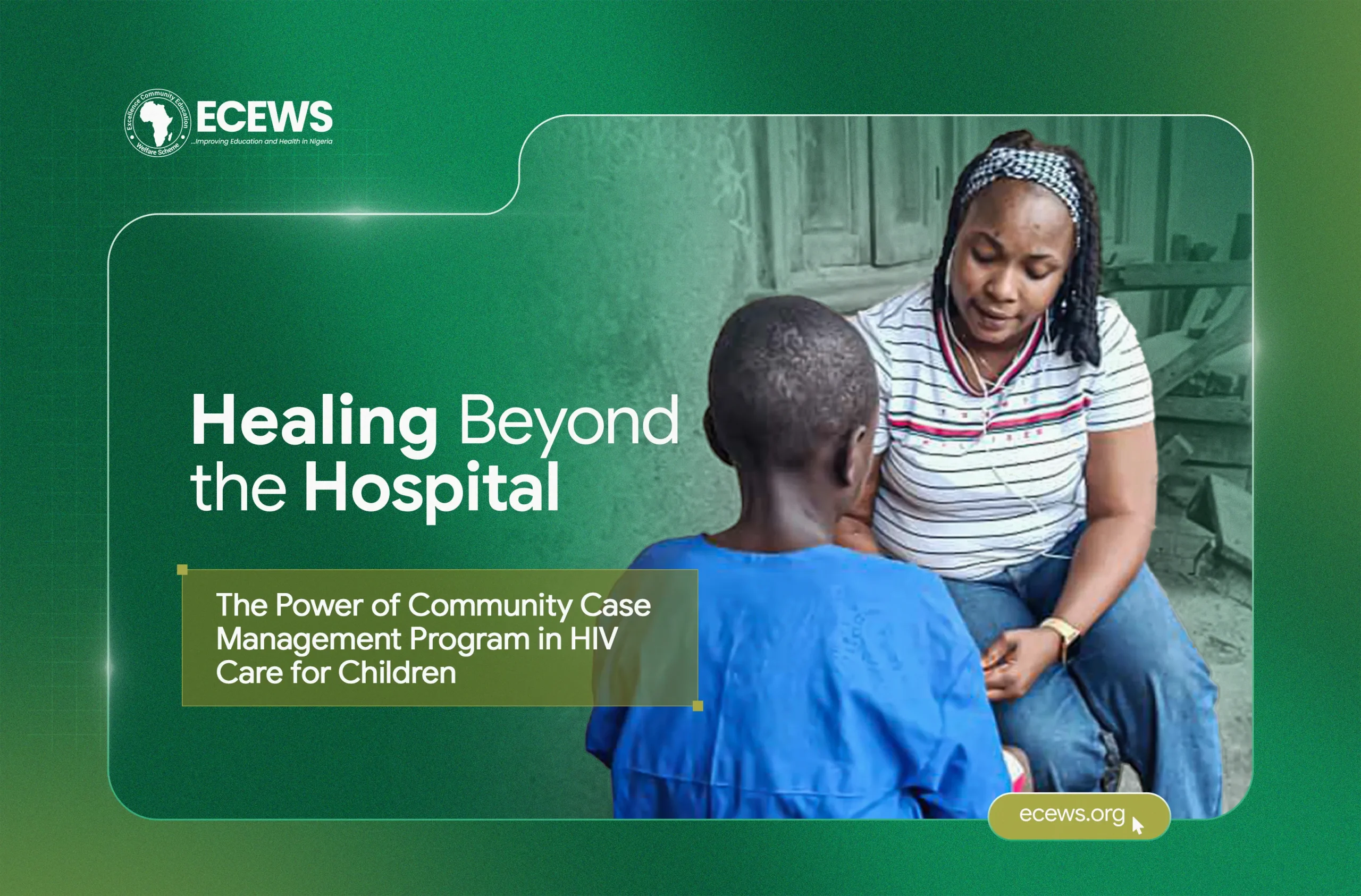
The Power of Community Case Management Program in Pediatric HIV Care
In the quiet corners of Osun State, a powerful story of resilience and innovation is unfolding through the ECEWS SPEED Community Case Management Program (CCMP), an approach that extends Pediatric HIV care far beyond hospital walls. While Antiretroviral Therapy (ART) has revolutionized HIV care for adults, hundreds of children and adolescents living with HIV (CALHIV) still face social and economic hurdles that medication alone cannot solve. To achieve optimal health for these young lives, the focus must shift to the Community level, where the unique puzzles of adherence and wellness are truly pieced together.
Despite ART being widely available, nearly 850 Pediatric and adolescent patients in Osun State struggle with consistent care due to poverty, stigma, and loss. This is where Community Case Management program becomes a lifeline, addressing the social and emotional gaps that lead to HIV treatment interruptions. By moving Management from the clinic into the household, trained advocates ensure that every child living with HIV receives the holistic support necessary to overcome isolation and thrive within their own Community.
A New Model of Care: Community Case Management
To bridge this gap, the Community Case Management program, formerly known as the Orphans and Vulnerable Children (OVC) program, was introduced. At the heart of this initiative are trained professionals known as community case managers. These individuals are more than healthcare workers; they are advocates, educators, and trusted allies who bring care directly into the homes of CALHIV.
Their approach is holistic and family-centered, grounded in empathy and cultural sensitivity. They understand that healing doesn’t happen in isolation, it happens in the context of family, community, and trust.
The Many Roles of a Case Manager
Community case managers wear many hats. They conduct regular home visits to monitor treatment adherence, offer psychosocial support, and educate families on HIV prevention including how to prevent mother-to-child transmission and reduce interpersonal transmission among siblings.
But their work doesn’t stop at health education. They address structural barriers that impact treatment success: ensuring children attend school, live in safe environments, and have access to clean water. They collaborate closely with healthcare workers at ECEWS supported facilities to ensure continuity of care and prevent treatment interruptions.
They also partner with mentor mothers to support pregnant women identified at traditional birth attendants (TBAs) and health facilities, helping to prevent HIV transmission to newborns. Their reach extends into social services, working with law enforcement, shelters, and philanthropists to provide non-clinical support that enhances overall well-being.
Real Impact, Real Numbers
The results speak volumes. Out of 3,455 children assessed HIV risk in households with people living with HIV (PLHIV), 2,789 now know their status, a critical step toward timely intervention. Hospital appointment compliance has been ensured for 849 CALHIV and 1,223 positive caregivers, demonstrating the program’s effectiveness in sustaining engagement with care.
To ease financial burdens and promote retention in care, 218 beneficiaries received conditional cash transfers, startup kits, and support for income-generating activities before program modifications. Additionally, 3,235 households received training on environmental sanitation, and 350 households without access to clean water were provided with Veronica buckets and water guards, simple tools that significantly reduce disease risk.
The Roadblocks Ahead
Despite these successes, challenges remain. Fear of stigma and the difficulty of disclosure still prevent some families from fully accessing available services. Moreover, the suspension of key components like household economic strengthening and caregiver forums, without a clear path for integration into government systems, has limited the program’s broader impact.
These services were more than add-ons; they were lifelines. They helped families build resilience, share experiences, and improve their socio-economic conditions, critical factors in long-term health outcomes.
A Call to Sustain What Works
The true power of the CCMP program lies in the relationships it fosters. Case managers are not just service providers, they are burden-sharers, walking alongside families through some of their most vulnerable moments. They ensure that pediatric HIV care in Osun State is not only accessible but also compassionate, personalized, and deeply human.
As we look to the future, the path is clear: we must invest in and integrate these community-based approaches into national health and social systems. Only then can we ensure that every child and adolescent living with HIV in Nigeria has the chance to grow up with dignity, health, and hope.
Because healing doesn’t end at the hospital door, it begins in the heart of the community.