Insert HTML here

Insert HTML here
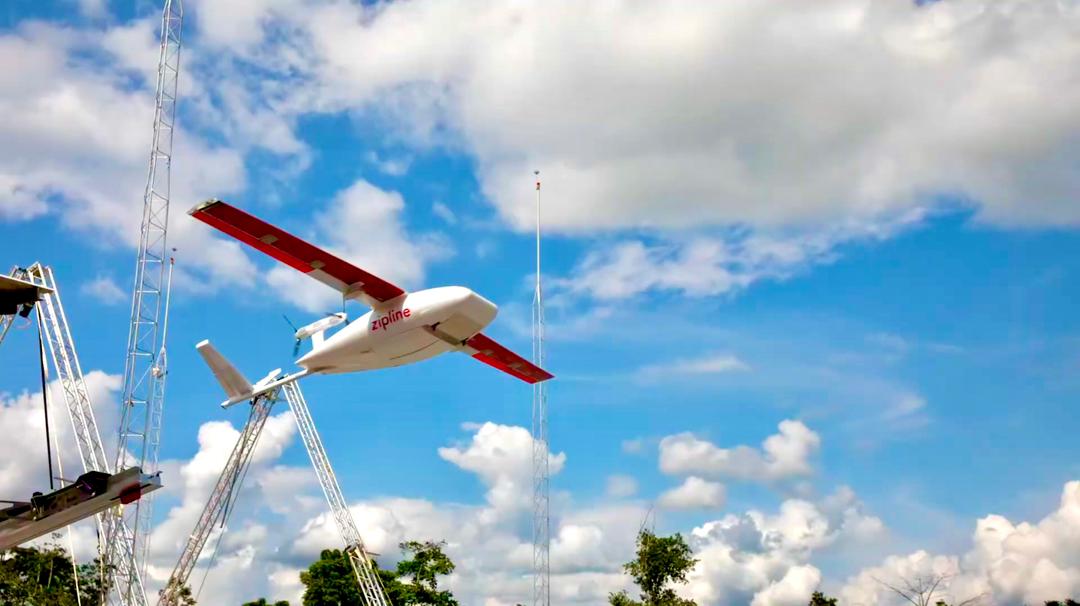
In the remote clusters of Cross River State, Nigeria, geographical barriers and infrastructure deficits have long hindered the timely delivery of life-saving medical supplies. Through a strategic partnership with Zipline, the state has successfully integrated autonomous drone technology into its public health supply chain. This initiative has transformed the “last mile” into the “first priority,” ensuring that essential vaccines, blood products, and medications reach even the most isolated Primary Health Centres (PHCs) within minutes.
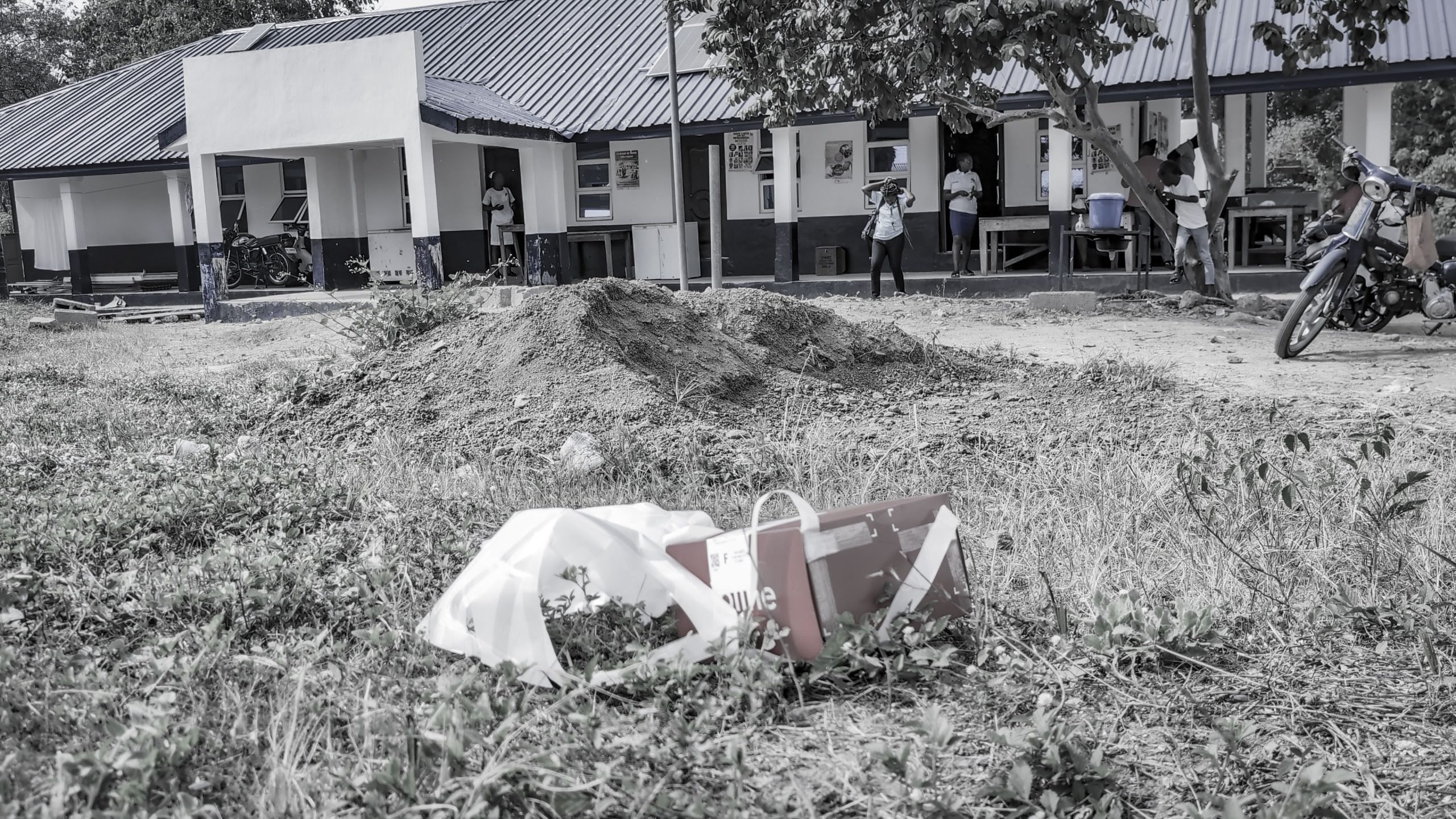
For communities in the Central Cluster of Cross River State, spanning LGAs such as Ikom, Etung, Obubra, and Boki, accessing healthcare was often a race against time. Traditional ground logistics faced numerous hurdles. The challenges included, difficult terrain, dense forests and seasonal flooding often rendered roads impassable. Also, cold chain maintenance, transporting temperature-sensitive vaccines to remote areas like Bashua PHC or Danare 2 HP was nearly impossible without consistent refrigeration. Rural facilities frequently experienced shortages of critical supplies, leading to preventable deaths.
The introduction of Zipline’s drone technology has effectively bypassed these terrestrial barriers. Operating from a central distribution hub, autonomous drones (Zips) deliver medical packages via parachute to designated drop sites.
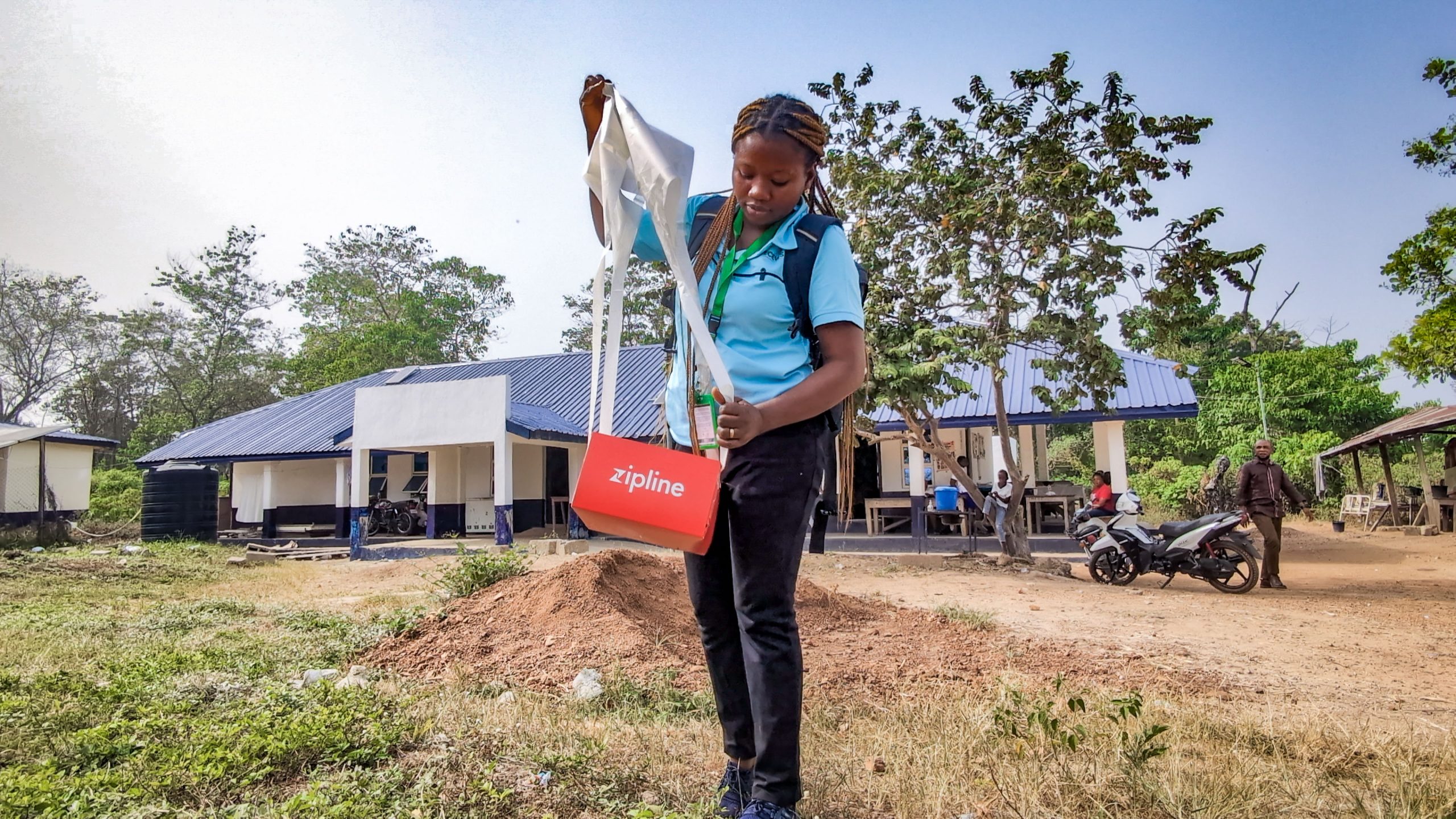
An analysis of the Central Cluster operations reveals a robust network of 45 active drop sites across four key Local Government Areas (LGAs), ensuring comprehensive coverage:
LGA Number of Drop Sites Key Facilities Reached
Obubra 17 GH Obubra, Iyamitet PHC, Ochon PHC, Edondon PHC
Boki 13 Boje H/C, Ntamante H/C, Isobendeghe H/C
Ikom 9 Edor PHC, Nde PHC, Nkonfap PHC
Etung 6 Agborkim PHC, Bashua PHC, Wula PHC

The transition to drone-based logistics has yielded demonstrable improvements in healthcare outcomes including:
Zero-Dose Reduction: By delivering vaccines to remote sites like Ayughasa HP and Akorofonor HP, the program has significantly reduced the number of “zero-dose” children who previously had no access to immunization.
Emergency Response: Critical supplies, including anti-venom and blood for postpartum hemorrhage, are now delivered in under 30 minutes, a journey that previously took hours or days.
Efficiency and Sustainability: The fully electric drones reduce delivery emissions by up to 97% compared to traditional vehicles, aligning with global climate and health goals.
“Before the drones, we often had to tell mothers to come back another day because the vaccines hadn’t arrived. Now, with a simple order, the supplies land right at our doorstep. It has restored the community’s trust in our health centre.” – Health Worker at a PHC in the Boki Cluster
The success in the Central Cluster serves as a blueprint for scaling innovative health logistics across Nigeria and beyond. By leveraging technology to bridge the gap between supply and demand, the partnership is ensuring that no one is left behind, regardless of how remote their community may be.