Insert HTML here

Insert HTML here
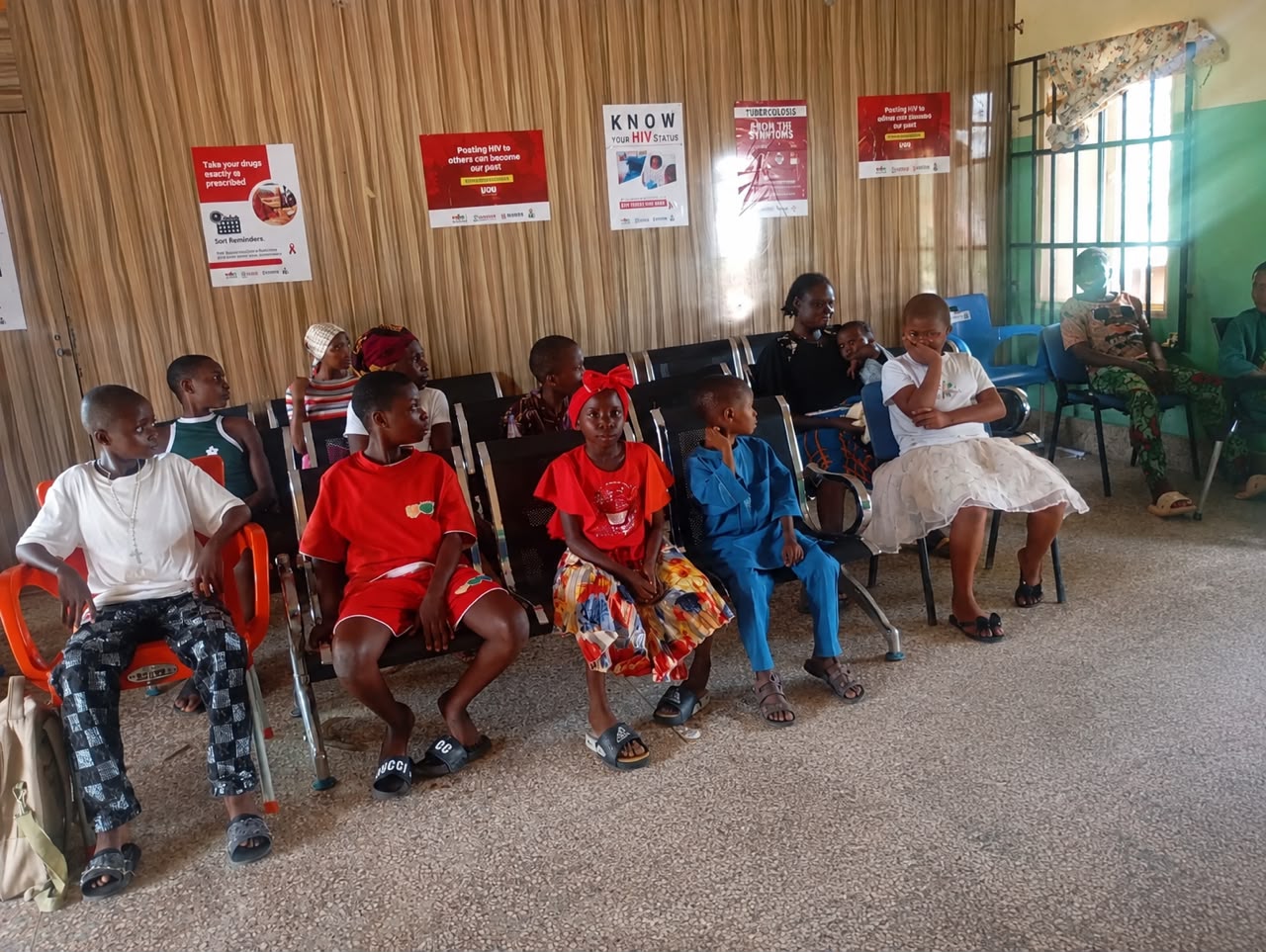
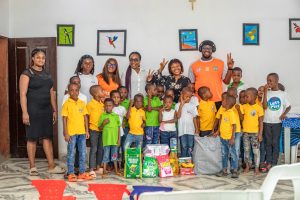
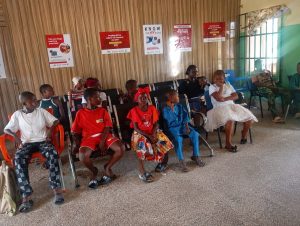
The Child and Adolescent Peer-Led Club (CAPLC) remains an important platform for delivering adolescent-friendly HIV services to children and young people aged 10–24 years in Cross River State. Through differentiated service delivery (DSD) models, the initiative continues to improve access to care, strengthen treatment adherence, and promote retention among children and adolescents living with HIV. In the Northern Cluster, a CAPLC session was held in Obudu from 22nd–27th June 2026.
The LGA Clinical Service Specialist, Dr J. P. Afangideh, welcomed participants and underscored the importance of the session, encouraging sustained commitment to treatment and highlighting the benefits of strict medication adherence for improved health outcomes. The Site Coordinator, Mr. Ojua Asu, delivered a brief address reinforcing the purpose of the activity and the importance of active participation. Further introductions were made by the Technical Assistant for Laboratory Services, Mr. Araki, who acknowledged the participants and reiterated his support for the programme.
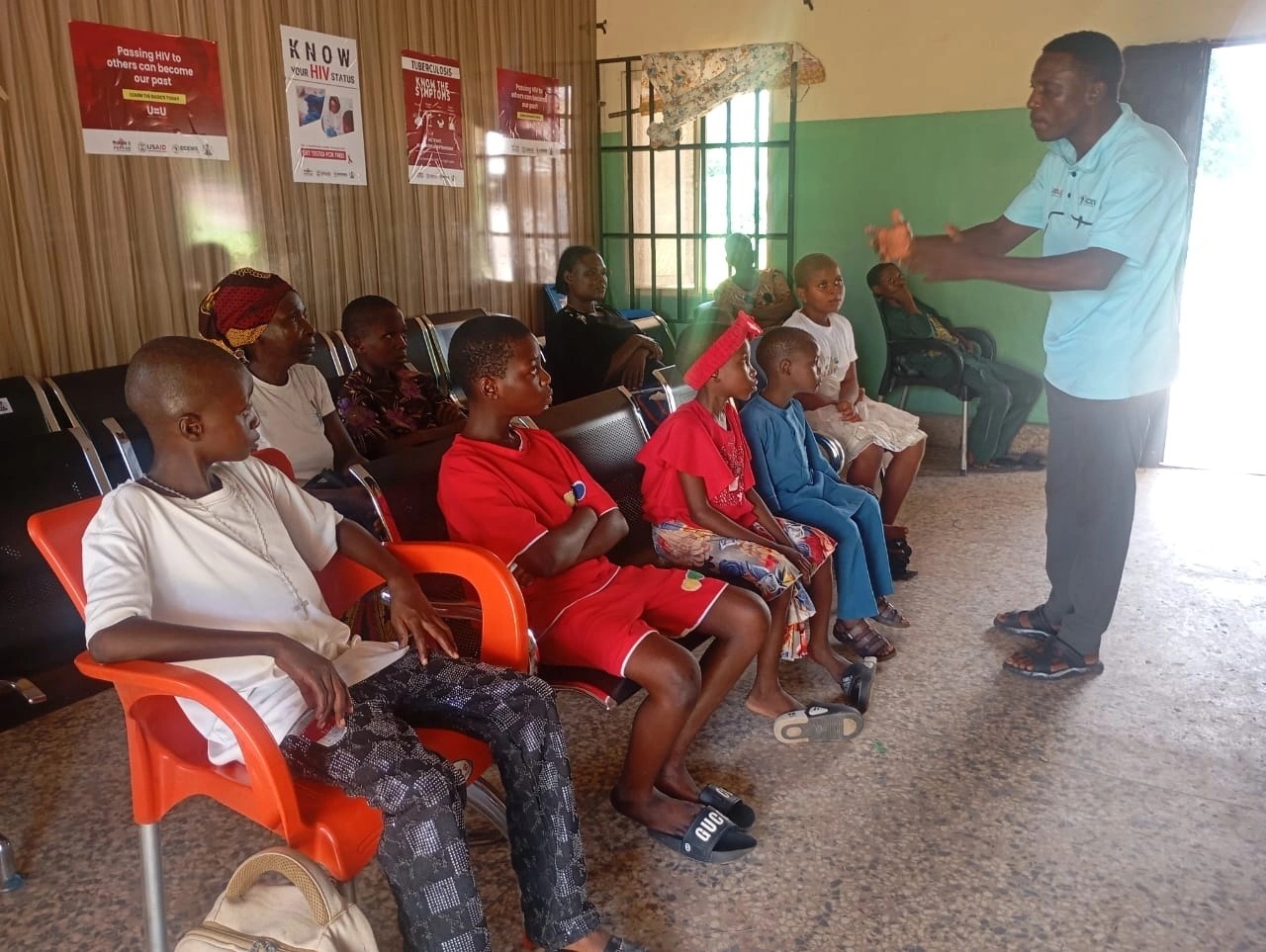
Following caregiver consent, eligible participants were enrolled into appropriate Child/Teen/Adolescent DSD models to support flexible, client-centred HIV service delivery. All participants present were referred to the Teen/Adolescent DSD model, further strengthening peer-supported care and improving treatment retention. The session reinforced the value of peer support systems in improving treatment adherence, increasing health awareness, and promoting better long-term health outcomes among children and adolescents living with HIV across the state, and particularly within the Northern Cluster.