Insert HTML here

Insert HTML here

In the demanding, often resource-constrained world of frontline healthcare, it’s easy for certain narratives to take root. We’ve all heard them, or perhaps even thought them: “This caregiver is very difficult.” “They don’t seem to care about their child.” “It’s the caregiver’s fault this baby isn’t getting better.” These phrases, born of understandable frustration, are often used to explain why health outcomes aren’t improving, especially for vulnerable children. Data from our program shows that in a cohort of about 250 children living with HIV who were virally unsuppressed, more than 60% of them had caregiver-related factors as reasons for non-adherence. Were these caregivers truly negligent, or was there a deeper story waiting to be uncovered?
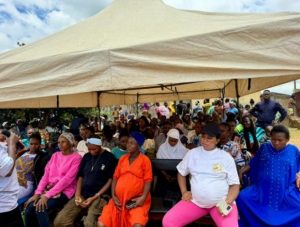
Through in-depth, empathetic discussions directly with these caregivers, a profoundly different reality emerged. Many were new to the role—first-time mothers grappling with immense responsibility or relatives who had suddenly become primary caregivers after the devastating loss of a parent. Others were simply exhausted, burnt out from the relentless pressure of juggling daily life while managing a chronically ill child in communities where stigma and discrimination against HIV are still painfully high. The problem, it turned out, wasn’t a lack of love or care by the caregiver; it was a profound lack of support for the caregiver who was doing what they could at the time. This powerful insight became the catalyst for a fundamental, transformative shift in our strategy.
Recognizing that the true gap lay in accessible information, practical skills, and non-judgmental support, ECEWS designed a holistic, caregiver-empowering intervention. The goal was simple yet revolutionary: stop blaming caregivers for systemic failures and start equipping them with the knowledge, skills, and unwavering support needed to truly thrive.
This comprehensive package of care includes:
The simple act of changing the question from “What is wrong with this caregiver?” to “What does this caregiver need?” has unlocked a more compassionate, effective, and sustainable model of care. Through this transformative approach, caregivers living with co-morbidities were identified and linked to appropriate treatment, while countless others benefited from existing community-based programs that significantly reduced the overwhelming burden of caregiving. The initial results are incredibly promising: healthcare workers report more collaborative and trusting relationships with families, and caregivers themselves feel demonstrably more confident, engaged, and empowered.
This journey has taught us a powerful, enduring lesson. Significant innovations in healthcare may not always be a new drug or a cutting-edge technology. They can arise from something far simpler, yet infinitely more profound: a change in perspective. By choosing to see a “tired caregiver” instead of a “difficult one,” we don’t just improve adherence and health outcomes; we restore dignity, rebuild trust, and cultivate a system of care that truly supports the entire family, fostering resilience for generations to come.
Caring for Children Living with HIV Landscape 📂

Disclosure Process for Clients 📂
Esther Nwanja, Otoyo Toyo, Okezie Onyedinachi, Adeoye Adegboye, Andy Eyo