Insert HTML here
Insert HTML here
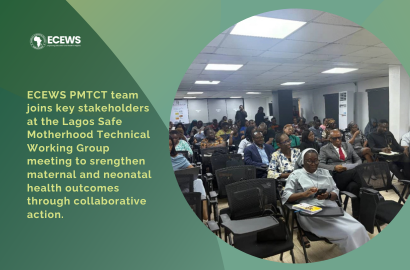
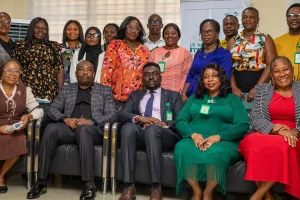
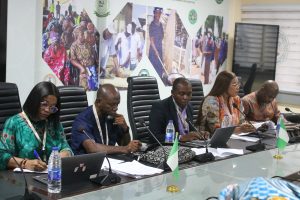
Excellence Community Education Welfare Scheme (ECEWS), Prevention of Mother-to-Child Transmission (PMTCT) team represented the organization at the Safe Motherhood Technical Working Group (TWG) meeting held at the Lagos Chamber of Commerce and Industry, Lagos State. The session brought together a broad coalition of stakeholders including the Lagos State Ministry of Health, SASCP, CIHP, CHAI, mDoc Healthcare, and IRISE International, reflecting the multi-sectoral commitment to advancing maternal and child health outcomes across the state.
The forum centered on Q1 advocacy updates and implementation progress on Maternal, Child, and Neonatal Health innovations. Discussions gave considerable attention to the key drivers of maternal mortality, with stakeholders examining systemic gaps in the continuum of care for pregnant women, particularly those at high risk. A prominent focus of deliberations was the urgent need to strengthen engagement with Traditional Birth Attendants (TBAs) and delivery homes to facilitate the early identification and timely referral of high-risk pregnancies to appropriate health facilities.
Participants also called for the formal involvement of the Traditional Medicine Board in the registration and structured support for TBAs, recognizing their extensive community reach as both a challenge to be managed and an opportunity to be harnessed in improving maternal health outcomes.
ECEWS’s participation reflects its sustained commitment to reducing maternal and neonatal mortality through collaborative, system-wide approaches that leave no woman behind in the continuum of care.