Insert HTML here

Insert HTML here
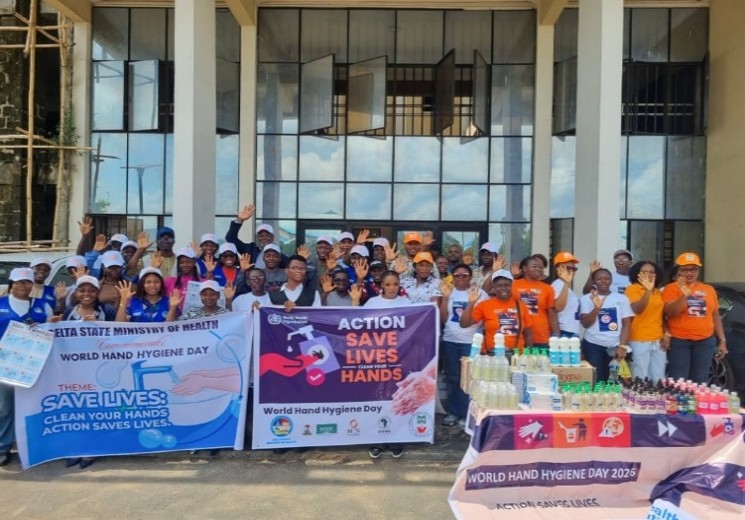
Every year, health systems around the world on 5 May pause to reflect on one of the most fundamental yet consistently underestimated practices in clinical care, hand hygiene. Observed under the leadership of the World Health Organisation, World Hand Hygiene Day is a global call to action, reminding healthcare workers, institutions, and policymakers that clean hands remain one of the most effective and accessible tools for preventing infections, protecting patients, and saving lives.
In commemoration of Hand Hygiene Day 2026, ECEWS brought that global message to communities, joining health leaders, clinicians, and public health stakeholders at the Federal Medical Centre (FMC) Asaba, Delta State, to mark the day with purpose and commitment.
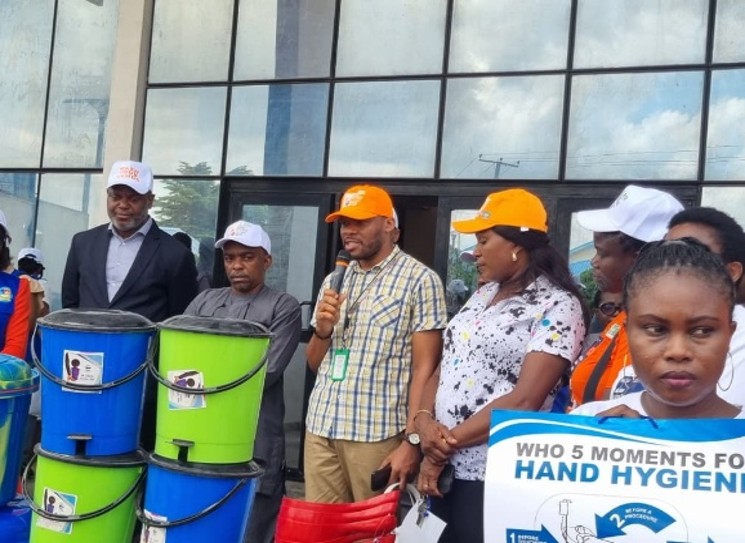
The event brought together health professionals and policymakers around a shared message: awareness alone is not enough. Dr. James Ibuaku, Acting Chairman of the Medical Advisory Committee at FMC Asaba, described hand hygiene as a non-negotiable cornerstone of safe healthcare delivery. Dr. Christian Tetsola, Director of Public Health at the Delta State Ministry of Health, stressed the importance of institutionalising infection prevention and control practices across health facilities, while Dr. Adesuwa Aigbokhaode, Head of Community Medicine at FMC Asaba, called on healthcare workers to uphold hygiene standards daily, regardless of workload or environment.
Representing ECEWS, Strategic Information Advisor Mr. Ikponmwosa Omogun connected hand hygiene compliance directly to the quality of HIV service delivery across CDC-supported facilities. Drawing attention to the 2026 World Health Organization theme, he challenged healthcare workers to move beyond knowledge and commit to deliberate daily practice. “Action, not knowledge alone, saves lives,” he noted, urging frontline workers to see hand hygiene not merely as a routine procedure, but as a professional responsibility tied to patient trust, dignity, and survival.
As Nigeria continues efforts to build resilient healthcare systems capable of responding to both infectious diseases and long-term public health challenges, initiatives like World Hand Hygiene Day provide an important platform for reinforcing simple but lifesaving practices. Through partnerships, advocacy, and technical support, ECEWS says it remains committed to advancing evidence-based healthcare delivery at every point of the HIV response, ensuring that quality care begins with safe hands.